

Guest Post: "The Melody in Writing: How I Use Music as a Tool" by Samantha Butterfield

Updated: Mar 23
Wednesday greetings, writers!

One of the things I love most about hosting guest writers on the blog is getting a window into how other creatives actually work—the rituals, tools, and quiet practices that help them show up on the page.
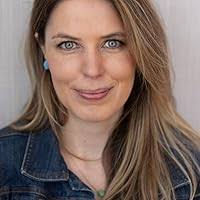
That's why I'm so happy poet and novelist Samantha Butterfield is joining us today! Samantha is a writer whose work moves fluidly between poetry and fiction, and whose creative process is deeply shaped by music.
👉To learn more about Samantha and her books, click to jump to About the Author or About the Books!
In this guest post, Samantha explores the role music plays in her writing life—from using songs to access emotion, to building playlists for characters and projects, to letting rhythm guide the shape of a poem or scene.
If you’ve ever written with headphones on, played a song on repeat to stay inside a feeling, or turned to music when the words felt just out of reach, I think you’ll recognize yourself here.
Ready? Let's dive in to the post!
~Kaecey
The Melody in Writing
How I Use Music as a Tool
by Samantha Butterfield
Some writers need complete silence when they work. I’ve tried that. It never lasts.

I need music.
For me, music isn’t background noise; it’s a tool, one I rely on as much as the words themselves. Before a scene comes alive on the page, it exists as a feeling. Before a poem finds its shape, it has a rhythm. Music is what bridges the gap between the emotion I’m trying to reach and the language I need to express it.
Whether I’m writing a poem or a chapter in one of my novels, music is the first thing I reach for. It’s how I settle into the work, how I tune myself to the right emotional frequency before I ever type a word.
Music as an Emotional Tool
Music works in ways logic can’t.
It doesn’t require explanation or justification; it simply makes you feel. That’s why it’s so powerful in my writing process. When my mind is scattered or pulled in too many directions, music narrows my focus. It pulls me out of the noise of daily life and drops me directly into an emotional space.

A single song can bring buried emotions to the surface. Instead of worrying about deadlines or what’s for dinner, I’m suddenly sitting inside grief, longing, or desire. Instead of being distracted by conversations around me, I put on my headphones and let the world fall away. Music becomes a kind of emotional isolation booth, giving me access to feelings I might not reach otherwise.
This is especially important when I’m stuck. When a scene or verse refuses to come together, I don’t force it. I turn to music instead. Finding the right song often unlocks what the words couldn’t on their own.
Even the search itself matters. Listening to song after song, chasing a specific emotional tone, can create unexpected breakthroughs. Sometimes the song I think I need doesn’t work at all, and that failure forces a shift. The emotion changes. The scene takes a new direction. The writing becomes something better than what I originally planned.
That’s the balance I’ve learned. Music shouldn’t control the story, but it can guide it.
Playlists as a Creative Tool
When I sit down to write, the first thing I do is choose a playlist.
I have dozens. I’ve playlists built around moods, emotional states, and energy levels, as well as playlists created specifically for projects, books, and characters. Creating a playlist is one of my favorite parts of starting something new.

For fiction, playlists are part of my character development process. I search for songs that fit each main character. I don’t just stick with songs I already love, but look for new ones. Ones that capture how my characters feel, think, express themselves. Music helps me understand their emotional landscapes. It helps their personality take shape, as I begin to understand their story and them better.
As a pantser, I don’t always know where a story is going when I begin. The same is true for its emotional tone. I love adjusting playlists as the plot unfolds and characters evolve. During editing, those playlists become emotional time capsules. I can hear where a character started and how they changed simply by listening to the songs that once defined them.
With poetry, I approach music differently. Lyrics matter less than rhythm. I focus on tempo, beat, and pacing. The pulse of a song helps me find the structure of a poem. I can visualize where a line should break, where a pause belongs, where silence should sit. Music helps me create structure in my already emotional poems.
Why Music Is My Favorite Tool
You don’t write a rock star romance series without being deeply influenced by music. It doesn’t just inspire the stories I tell; it shapes how I tell them.

Many of my characters carry wounds I haven’t personally lived through. Music helps me connect to those emotional spaces honestly. It becomes a way for characters to reveal themselves to me, often before they do so on the page.
My poems often begin like songs. I think in verses and bridges, in repetition and restraint. Sometimes I play a single track on repeat, so I don’t lose the emotional structure I’m building. There’s comfort in that consistency, in letting a melody hold the shape while the words take form.
There’s also something deeply satisfying about knowing a poem and a song existed side by side. One creation helping bring another into being. It feels fitting. It feels poetic.
Music has always been part of my life, but learning to use it intentionally transformed my writing process. Now, there’s no separating the two.
For me, music is just as powerful as the pen, because everything I write begins with a melody.
~ Samantha
About Samantha Butterfield

Samantha Butterfield comes from the Bay Area, where she has lived her whole life. She has been writing stories and poems since she was young. Finding comfort in words, she loves crafts deep, emotional poetry or complex characters in drama filled worlds. Drawing from her own personal struggles she has put out a few poetry books, that touch on the hardships of mental illness. She doesn’t stop at just poetry though, using her own emotions to create unique characters in her full-length novels as well.
She currently has three published poetry collections (depression: a book of poems (2023); Bleak Pages (2025); The Girl in the Void (2025)), one published novel (A Dark Melody), and another novel (A Broken Melody) set for release later this year (2026).
Here's how to connect with Samantha online:
Her website
On Instagram
Via her newsletter
About the Books
Samantha's Most Recent Poetry Book:

Poetry is my only saving grace. A tool I use as a blanket when the coldness of the void comes rolling in. Words are all I have here. Echoing off the walls of my own demise. I repeat these poems like a mantra as I fight to come out the other side.
The Girl in the Void is a collection of poems that talk of the darkest parts of a depressed mind. These poems won't be easy to read, so take care. But just know, if you ever felt any ounce of what these words touch on, you have my sympathy. And you are not alone.
Interested in learning more? Pick up your copies of Samantha's poetry books by clicking the links below:
The Girl in the Void (2025)
Bleak Pages (2025)
depression: a book of poems (2023)
Dark Melody: A dark romance

Abbey Dark is the biggest female rockstar in the scene, but behind the sold-out shows, screaming fans, and bright lights, she is unraveling. At her breaking point from the pressures of fame, high expectations, and loneliness, Abbey is barely holding it together.
Enter Wesley Whitmore, the kind-hearted front man of the band, Haunting Memories. With a passion for music, a big heart, and eyes that see beyond the stage lights, Wes isn't just another opening act, on yet another long tour. He is the lifeline Abbey desperately needs.
Their connection is instant. Raw. Addicting. But when the friendship sparks into something deeper, Abbey's insecurities and Wes's past threaten to ruin everything.
Will these two rockstars be able to overcome the obstacles or with fame ruin it all?
Ready to dive in? You can purchase a copy of Dark Melody on Amazon today!
Thoughts on Samantha's post? Or maybe you, too, use music as a tool when you create. Tell us about it by sending me a message or an email.
Happy Reading & Happy Writing!



Comments